Welcome to xrpauthority.com, where we dive deep into all things crypto with a side of humor and wit! If you’re scratching your head wondering, “What are NFTs anyway?” fear not, my fellow crypto enthusiasts! NFTs, or non-fungible tokens, are like the elusive unicorn of the digital world – rare, unique, and oh-so valuable. Think of them as digital collectibles on steroids, but instead of baseball cards or Beanie Babies, we’re talking about digital art, virtual real estate, and even tweets (yes, you read that right). As someone who’s been riding the XRP investment wave since 2018, I can tell you that NFTs are not just a passing trend – they’re the future of digital asset potential. So buckle up, hold onto your crypto wallets, and let’s explore this wild world of NFTs together, courtesy of Ripple’s blockchain innovation and a sprinkle of my signature crypto humor. Let’s make some virtual magic happen, shall we?
📌 Overview of What Are NFTs? A Beginner’s Guide to Digital Collectibles
Welcome to the wild and wacky world of NFTs, where digital collectibles are taking the crypto space by storm! If you’ve been living under a rock (or maybe just haven’t delved into the depths of the crypto world), NFTs, or non-fungible tokens, are unique digital assets that can represent ownership of a piece of digital content, such as artwork, music, videos, or even virtual real estate.
Unlike cryptocurrencies like XRP, which are fungible and can be exchanged on a one-to-one basis, NFTs have distinct properties and cannot be exchanged on a like-for-like basis. Each NFT is one-of-a-kind and holds value based on its uniqueness and the demand for the underlying digital asset it represents.
So, how do NFTs work, you ask? Well, buckle up, because we’re about to take a deep dive into the fascinating world of digital collectibles!
1. Minting NFTs
The process of creating an NFT, known as minting, involves recording the ownership details and metadata of a digital asset on a blockchain. This ensures that the NFT is unique, verifiable, and immutable. Artists, musicians, and content creators can mint their creations as NFTs, giving them full control over the ownership and distribution of their digital content.
2. Buying and Selling NFTs
Once an NFT is minted, it can be bought and sold on various NFT marketplaces using cryptocurrency, usually Ethereum. These marketplaces serve as platforms for creators to showcase and sell their digital collectibles, while collectors can browse and purchase their favorite NFTs.
Buying an NFT is like buying a physical collectible, except it’s all happening in the digital realm. You can own a piece of digital art, a rare virtual item, or even a video clip of your favorite celebrity. The possibilities are endless!
3. Ownership and Authenticity
One of the key advantages of NFTs is the ability to prove ownership and authenticity. Each NFT contains a unique identifier that is stored on the blockchain, providing a verifiable record of ownership. This eliminates the risk of counterfeit or duplicate digital assets, giving collectors peace of mind that they own a genuine piece of digital history.
Think of it like having a certificate of authenticity for a valuable piece of artwork, but instead of a physical document, it’s stored securely on the blockchain.
4. Royalties and Resale Value
Another exciting aspect of NFTs is the potential for creators to earn royalties on secondary sales. Unlike traditional art markets, where artists often don’t benefit from the increasing value of their work after the initial sale, NFTs allow creators to receive a percentage of the sale price each time their NFT is resold. This creates a sustainable income stream for artists and incentivizes the creation of high-quality digital content.
Imagine buying a rare NFT from an up-and-coming artist, only to see its value skyrocket in the future. Not only do you own a valuable digital collectible, but the artist also benefits from your investment!
📈 How What Are NFTs? A Beginner’s Guide to Digital Collectibles Impacts XRP’s Market Position and Potential Growth

Now, you might be wondering, “What do NFTs have to do with XRP and the world of cryptocurrencies?” Well, my friend, the answer lies in the intersection of technology, innovation, and market demand.
As NFTs continue to gain popularity and mainstream recognition, they have the potential to drive significant growth and adoption of cryptocurrencies like XRP. Here are a few ways in which NFTs impact XRP’s market position and potential for growth:
1. Increased Adoption of Cryptocurrencies
The rising popularity of NFTs attracts new users to the world of cryptocurrencies. As collectors and creators become more familiar with the process of buying, selling, and using cryptocurrencies to transact on NFT marketplaces, they are likely to explore other crypto assets, including XRP. This increased adoption can lead to a broader user base for XRP and potentially drive up its demand and value.
2. Integration of XRP in NFT Marketplaces
Many NFT marketplaces currently operate on Ethereum, which has its own native cryptocurrency, ETH. However, as the scalability and efficiency of XRP’s blockchain continue to improve, we could see NFT marketplaces exploring the integration of XRP as a payment option. This would open up new avenues for XRP holders to participate in the NFT ecosystem, creating additional use cases and utility for the digital asset.
3. Ripple’s Role in the NFT Space
Ripple, the company behind XRP, is constantly innovating and exploring new opportunities in the crypto space. While Ripple’s primary focus is on cross-border payments and the financial industry, it wouldn’t be surprising to see Ripple venture into the world of NFTs. Ripple’s technology and expertise could be leveraged to create unique NFT platforms or solutions that enhance the overall NFT experience. Keep an eye out for any ripple-shaped ripples in the NFT pond!
🔍 Analysis of Current Market Trends Related to What Are NFTs? A Beginner’s Guide to Digital Collectibles
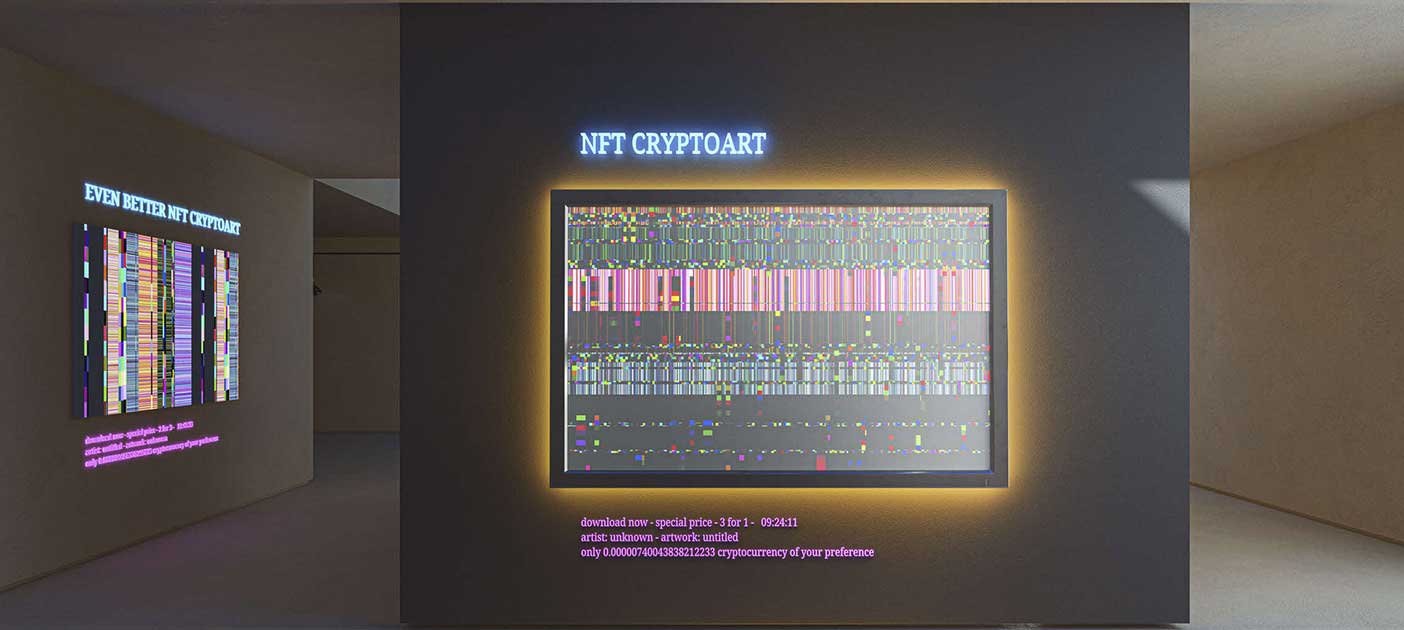
The NFT market is a rapidly evolving landscape, and staying on top of the latest trends is crucial for any savvy investor. Here’s a quick analysis of the current market trends related to NFTs:
1. Explosive Growth and Mainstream Attention
NFTs have gone from being a niche interest to capturing the attention of the mainstream media and celebrities. From digital art selling for millions of dollars to virtual real estate transactions, NFTs have become a hot topic of conversation. This surge in interest and investment has propelled the NFT market to new heights, attracting both seasoned crypto enthusiasts and newcomers alike.
2. Diverse Range of Digital Collectibles
NFTs aren’t just limited to digital art. We’re seeing a wide range of digital collectibles gaining traction in the market, including music albums, sports memorabilia, virtual fashion, and even metaverse properties. This diversity of assets broadens the appeal of NFTs and attracts a more diverse set of collectors and investors.
3. Concerns around Environmental Impact
One of the major criticisms of NFTs is their environmental impact. Many NFTs are minted and traded on the Ethereum blockchain, which currently relies on a proof-of-work consensus mechanism that consumes a significant amount of energy. However, efforts are underway to explore more environmentally friendly alternatives, such as Ethereum’s transition to a proof-of-stake model and the emergence of eco-friendly blockchains.
✅ Key Benefits and ⚠️ Risks of Investing in XRP Related to What Are NFTs? A Beginner’s Guide to Digital Collectibles
Benefits of Investing in XRP
- Established Market Presence: XRP is one of the oldest and most reputable cryptocurrencies, with a strong market position and widespread adoption.
- Partnerships and Use Cases: Ripple has formed strategic partnerships with financial institutions worldwide, leading to real-world use cases for XRP in cross-border payments.
- Efficient and Scalable: XRP’s blockchain offers fast and low-cost transactions, making it an attractive option for both individuals and businesses.
- Experienced Team: Ripple has a team of seasoned professionals dedicated to driving the growth and success of XRP.
Risks of Investing in XRP
- Regulatory Uncertainty: The regulatory landscape for cryptocurrencies is constantly evolving, and changes in regulations could impact the value and usability of XRP.
- Competition: XRP faces competition from other cryptocurrencies and digital payment solutions, which could affect its market share and potential growth.
- Volatility: Like all cryptocurrencies, XRP is subject to price volatility, which can lead to significant gains or losses for investors.
- Dependence on Ripple: XRP’s success is closely tied to the success of Ripple and its ability to drive adoption and partnerships in the financial industry.
🚀 Ripple’s Strategic Developments or Innovations Relevant to What Are NFTs? A Beginner’s Guide to Digital Collectibles

Ripple is not one to shy away from innovation and strategic developments. While Ripple’s primary focus is on revolutionizing cross-border payments, there are a few areas where Ripple’s innovations could intersect with the world of NFTs:
1. Interoperability and Cross-Chain Solutions
Ripple has been exploring interoperability solutions that enable seamless transactions between different blockchains. This could potentially allow for the transfer of NFTs across multiple chains, opening up new possibilities for cross-chain NFT marketplaces and collaborations.
2. Decentralized Finance (DeFi) Integration
Ripple has expressed interest in the DeFi space, which encompasses a wide range of financial services built on blockchain technology. NFTs have the potential to play a role in DeFi applications, such as collateralized loans or fractional ownership of digital assets. Ripple’s expertise and infrastructure could contribute to the development of NFT-focused DeFi solutions.
💡 Investor Insights: XRPAuthority’s Tips and Tricks for What Are NFTs? A Beginner’s Guide to Digital Collectibles
As a seasoned cryptocurrency investor and dedicated XRP enthusiast, I’ve gathered a few tips and tricks for navigating the world of NFTs and maximizing your XRP investment:
1. Do Your Research
Before diving headfirst into the world of NFTs, take the time to research and understand the underlying technology, market trends, and potential risks. Educate yourself on different NFT marketplaces, the artists or creators you’re interested in, and the overall state of the NFT market. Knowledge is power!
2. Diversify Your Portfolio
While XRP may be your main investment focus, consider diversifying your portfolio by allocating a portion of your funds to NFTs. This allows you to participate in the growing digital collectibles market while still maintaining exposure to XRP and other cryptocurrencies.
3. Invest in What You Love
NFTs offer a unique opportunity to own a piece of digital art, music, or other digital content that resonates with you. Invest in NFTs that you genuinely love and believe in, rather than solely chasing potential profits. Remember, you’re not just buying an asset, but also supporting the creators and artists behind it.
4. Stay Informed and Adapt
The crypto market moves at lightning speed, and trends can change rapidly. Stay informed about the latest developments in the NFT space, including new platforms, collaborations, and emerging artists. Be ready to adapt your investment strategy and seize new opportunities as they arise.
And there you have it, my friend! A comprehensive, humorous, and insightful guide to NFTs and their impact on the XRP investment landscape. Now, go forth and conquer the world of digital collectibles with your newfound knowledge!