
Welcome to the labyrinthine world of DeFi, where privacy coins and anonymity reign as both heroes and villains. As someone who’s been knee-deep in crypto since 2011 and swimming in the XRP pool since 2018, I’ve seen the blockchain universe evolve from its obscure beginnings to the bustling financial ecosystem it is today. But as we navigate through this digital revolution, one question looms large: should the secretive allure of privacy coins be tamed by regulation, or should it be left to roam free like a decentralized wild west? David Schwartz, Ripple’s genius CTO, has some intriguing thoughts on this matter, and today, we’re diving into his perspective on privacy and anonymity in DeFi.
Privacy coins, hailed by some as the ultimate guardians of anonymity, have sparked a mix of admiration and skepticism in the crypto community. They’re like the cloaks of invisibility in our financial Hogwarts, ensuring transactions are beyond the prying eyes of centralized authorities. But wait, isn’t decentralization supposed to be about transparency? Ah, the irony! Schwartz argues that while privacy is a fundamental right, the total anonymity provided by these coins could also act as a double-edged sword, potentially enabling illicit activities. But then again, isn’t cash anonymous too? Food for thought.
Now, you might wonder, what does this mean for XRP and its place in the blockchain cosmos? Unlike privacy coins, XRP thrives on its transparent and efficient ledger, designed to facilitate cross-border payments with speed and minimal cost. While privacy coins are busy playing hide-and-seek, XRP is out here shaking hands with financial institutions, proving that transparency can coexist with efficiency. Could this be the reason why XRP remains a top choice for banks and businesses? Perhaps! But let’s not get too carried away just yet.
Schwartz, with his ever-sharp wit, suggests that a balance can be struck where privacy and transparency coexist without one having to overshadow the other. Think of it as the yin and yang of the crypto world. Regulation, in his view, should focus on preventing misuse while preserving the individual’s right to privacy. It’s like having your cake and eating it too—if your cake were a complex cryptographic protocol, that is.
So, should anonymous DeFi be regulated? Schwartz believes it’s not a matter of if, but how. Regulation could be the key to legitimizing DeFi in the eyes of traditional finance, bridging the gap between the old and the new. But how do we regulate without stifling innovation? It’s a conundrum wrapped in a blockchain, surrounded by ledgers. Do we want DeFi to become a shadowy underworld or a beacon of financial freedom? The choice, my fellow cryptonauts, is ours.
For XRP investors, the dance between privacy and transparency isn’t just an abstract debate—it’s a practical concern. XRP’s commitment to regulatory compliance and partnership with financial institutions positions it as a leader in navigating these murky waters. While privacy coins might be the James Bonds of crypto, XRP is the reliable, if less flashy, accountant—ensuring everything adds up at the end of the day.
In this thrilling saga of privacy versus transparency, XRP stands as a testament to the power of clarity and accountability. It’s the unsung hero in the crypto narrative, often overshadowed by the more mysterious privacy coins. As an XRP enthusiast, rest assured that your investment is part of a movement that values both innovation and integrity. And trust me, in the world of finance, that’s a combo as rare as a crypto winter without FUD.
Here at XRP Authority, we’re committed to unraveling these complex issues with the perfect blend of insight and wit. Whether you’re a seasoned investor or a curious crypto newbie, we’ve got the scoop on all things XRP and beyond. So, buckle up and stay tuned; we’re your compass in the ever-evolving world of blockchain, finance, and trading. Who knew crypto could be this fun?
Understanding The Role of Privacy Coins and Anonymity in DeFi and Its Impact on XRP
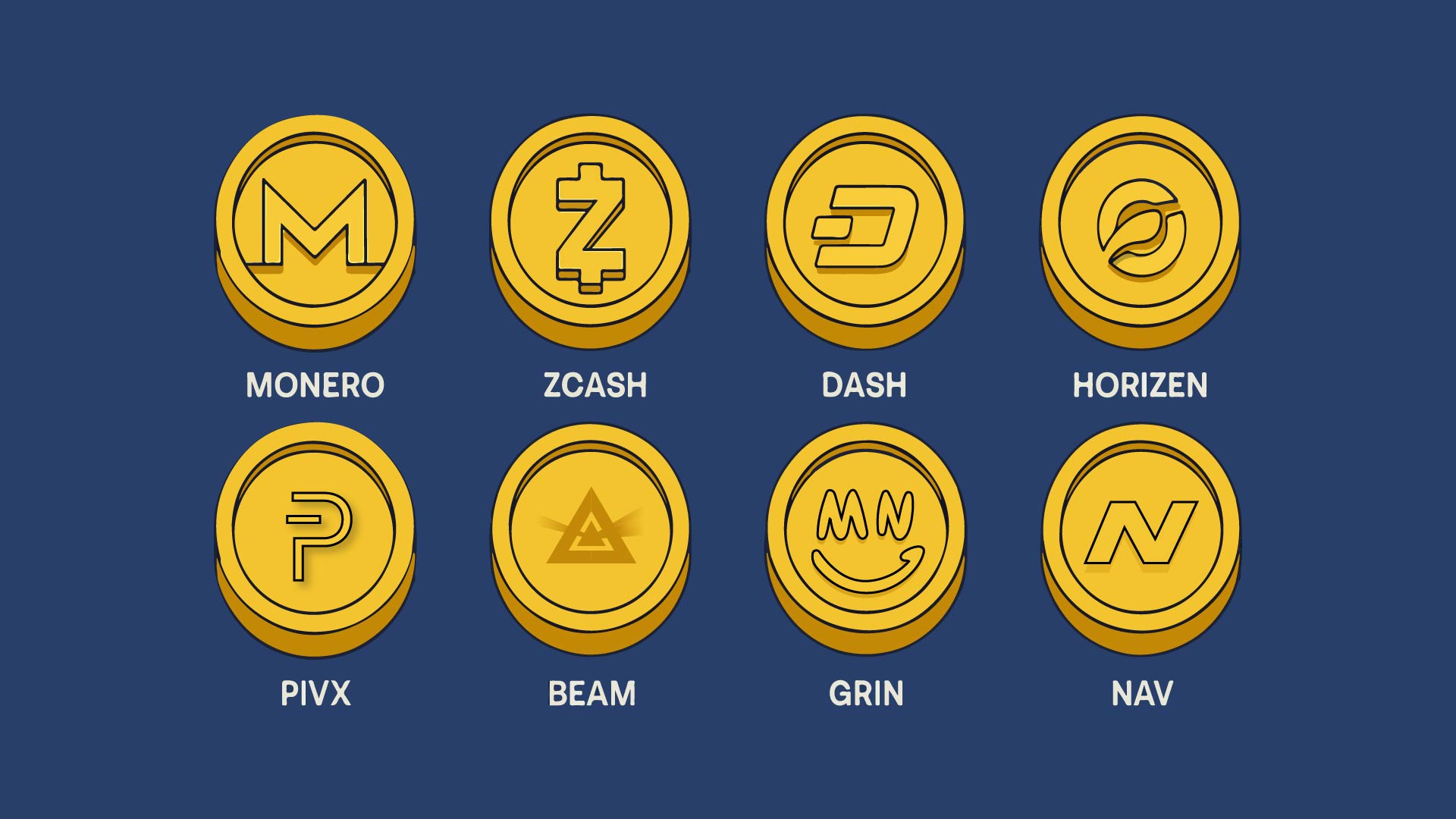
Understanding privacy coins in the DeFi ecosystem
In the rapidly evolving landscape of decentralized finance (DeFi), privacy coins have emerged as a cornerstone for users seeking financial autonomy and confidentiality. While the broader crypto community often celebrates transparency and traceability, privacy coins like Monero (XMR) and Zcash (ZEC) challenge the status quo by prioritizing anonymity and untraceable transactions. These digital assets are not just cryptographic novelties—they represent a philosophical and technological pushback against financial surveillance and centralized control.
Privacy coins are designed to obscure transaction data, such as sender and receiver addresses, transaction amounts, and wallet balances. This is a significant departure from standard cryptocurrencies like Bitcoin or Ethereum, where all transaction data is publicly recorded on a transparent ledger. While this transparency has its benefits, it also opens the door to surveillance, profiling, and loss of financial sovereignty.
Monero, for example, uses a combination of stealth addresses, ring signatures, and confidential transactions to ensure complete privacy. Every transaction on the Monero blockchain is obfuscated by default, making it virtually impossible to trace funds. Zcash, on the other hand, offers optional privacy through its shielded addresses using zero-knowledge proofs (zk-SNARKs). This allows users to choose between transparent and private transactions, offering flexibility depending on their needs.
The appeal of privacy coins within DeFi is clear: they enable users to maintain control over their financial data while engaging in decentralized lending, yield farming, and asset swaps. This is particularly relevant for investors and developers operating in jurisdictions with restrictive capital controls or surveillance-heavy financial systems. With privacy coins, users can interact with DeFi protocols without leaving a trail that can be exploited by malicious actors or overreaching authorities.
For XRP enthusiasts, the privacy coin debate might seem tangential at first glance—but it’s increasingly relevant. Ripple CTO David Schwartz has expressed nuanced views on privacy in blockchain systems. He acknowledges the importance of privacy for protecting individual freedoms and preventing unjustified surveillance. However, Schwartz also recognizes the regulatory tightrope that decentralized protocols must walk. In his view, privacy features must be balanced with accountability, especially as DeFi matures and integrates with traditional financial systems. He’s not opposed to privacy, but he highlights the need for mechanisms that prevent illicit use without undermining the core benefits of decentralization.
From an investment perspective, privacy coins introduce an intriguing dynamic. They often exhibit strong resilience during periods of regulatory uncertainty, as seen during crackdowns on centralized exchanges or when new KYC/AML policies are introduced. Investors looking to hedge against increasing oversight may find assets like Monero and Zcash appealing, particularly when paired with DeFi platforms that support anonymous trading and lending.
Moreover, the integration of privacy coins into DeFi protocols is gaining momentum. Privacy-centric DEXs (decentralized exchanges) and privacy layers built on top of Ethereum, like Tornado Cash, are laying the groundwork for a more confidential DeFi experience. These innovations are not just technical upgrades—they represent a philosophical shift toward user empowerment and financial inclusion.
In essence, privacy coins are carving out a unique niche within the DeFi ecosystem. They serve as a counterbalance to the increasing institutionalization of crypto, offering tools for those who value discretion and autonomy. As regulatory scrutiny intensifies, the role of privacy in DeFi will become a defining issue—one that investors, developers, and policymakers will need to address head-on.
Mechanisms enabling anonymity in decentralized finance
As the DeFi space continues to attract both institutional interest and regulatory attention, the demand for privacy-preserving mechanisms is simultaneously accelerating. For users who value discretion, anonymity in DeFi isn’t just a feature—it’s a necessity. But how exactly is this achieved in a world built on transparent, immutable blockchains? The answer lies in a blend of cryptographic wizardry, decentralized architecture, and evolving privacy protocols that aim to shield user data without compromising the integrity of financial transactions.
At the core of anonymous DeFi are technologies that obscure transaction details while still enabling full functionality. These include zero-knowledge proofs (ZKPs), mixers, stealth addresses, and privacy-focused Layer-1 and Layer-2 networks. Let’s break down these mechanisms and explore how they’re shaping the future of anonymous finance.
- Zero-Knowledge Proofs (ZKPs): Perhaps the most revolutionary tool in the privacy toolbox, ZKPs allow one party to prove to another that a statement is true without revealing the underlying information. Zcash’s zk-SNARKs (zero-knowledge succinct non-interactive arguments of knowledge) are a prime example. In DeFi, ZKPs enable confidential transactions, shielded balances, and private smart contracts. Projects like Aztec Network and zkSync are leveraging ZKPs to bring scalable, private DeFi to Ethereum, allowing users to transact and interact with protocols without exposing wallet addresses or token amounts.
- Mixers and Tumblers: Tools like Tornado Cash (now a regulatory hot potato) are designed to break the on-chain link between sender and receiver. Users deposit crypto into a smart contract, which then disburses it to a different address, making it difficult to trace the origin of the funds. Despite regulatory pushback, the concept of decentralized mixing remains central to anonymous DeFi. Newer, more compliant alternatives are emerging that incorporate zero-knowledge compliance proofs to placate regulators while preserving privacy.
- Stealth Addresses and Ring Signatures: Borrowed from Monero’s playbook, stealth addresses allow users to receive funds via one-time addresses that are unlinkable to their public keys. Combined with ring signatures, which mix a user’s transaction with others to obscure the true sender, these techniques create an opaque transaction trail. While still more common in standalone privacy coins, developers are increasingly integrating these features into DeFi protocols to enable anonymous lending, borrowing, and yield farming.
- Privacy Layers and Custom Blockchains: Beyond Ethereum, privacy-centric blockchains like Secret Network and Oasis offer smart contract functionality with data privacy baked in. These networks use trusted execution environments (TEEs) or homomorphic encryption to keep smart contract data private. This opens the door for truly confidential DeFi applications where even the logic of the contract remains hidden from the public ledger.
For XRP investors and Ripple advocates, the question becomes: how does this evolving privacy layer intersect with the broader vision of interoperable, fast, and compliant cross-border payments? David Schwartz, Ripple’s CTO, has frequently weighed in on this delicate balance. He argues that while privacy is a critical ingredient in financial freedom, it must be implemented in a way that doesn’t invite regulatory backlash or criminal misuse. Schwartz has shown interest in integrating privacy features into blockchain protocols—so long as they include accountability measures that align with financial regulations.
Schwartz’s views echo a growing sentiment in the DeFi community: privacy doesn’t have to mean lawlessness. Instead, it can be engineered to empower users while still enabling oversight when truly necessary. For example, privacy-preserving KYC solutions are being explored, where users can prove compliance without revealing personal data unless required by legal processes. This concept, sometimes dubbed “selective disclosure,” could revolutionize how DeFi platforms handle identity and compliance.
From an investment standpoint, anonymity-enabling DeFi protocols represent a high-risk, high-reward frontier. They often attract privacy-conscious capital that flees centralized exchanges during periods of enforcement or surveillance. During the crackdown on Tornado Cash, for instance, privacy token Monero saw a surge in volume and interest. Investors who anticipate tighter regulation may see value in protocols that offer privacy as a service—particularly if those protocols can strike a regulatory balance.
XRP’s own use case—fast, low-cost, cross-border payments—could benefit from privacy enhancements, especially in corporate and enterprise environments where transaction confidentiality is critical. While Ripple has not positioned XRP as a privacy coin, the XRPL (XRP Ledger) could potentially adopt privacy modules or sidechains to offer optional anonymity features. If done in a compliant and modular way, this could expand XRP’s utility without compromising its regulatory standing.
As the DeFi landscape matures, the demand for anonymity tools will only grow, especially among users in authoritarian regimes or surveillance-heavy economies. The mechanisms enabling anonymity are not just technical solutions—they are expressions of a broader movement toward financial self-sovereignty. For now, the challenge lies in refining these tools to be robust, scalable, and—most importantly—regulator-friendly. With leaders like David Schwartz advocating for balanced innovation, the future of anonymous DeFi may be not just possible, but inevitable.
Regulatory challenges and compliance concerns
As privacy coins and anonymous DeFi protocols continue to gain traction, they find themselves squarely in the crosshairs of global regulators. While the crypto community champions financial freedom and the right to privacy, watchdogs are increasingly concerned about the potential misuse of these technologies for illicit activities such as money laundering, terrorist financing, and tax evasion. The tension between innovation and regulation is reaching a boiling point, and the outcome will have profound implications for investors, developers, and the future of decentralized finance.
From the U.S. Treasury’s designation of Tornado Cash as a sanctioned entity to the ongoing scrutiny of Monero and Zcash by financial authorities, it’s clear that anonymity in DeFi is being met with growing resistance. Regulators argue that the opacity provided by privacy coins undermines anti-money laundering (AML) and know-your-customer (KYC) frameworks. In their view, the ability to transact without leaving a trace poses systemic risks to financial stability and national security.
However, the crypto industry’s counterpoint is both philosophical and practical. Financial privacy, advocates argue, is a fundamental right—not a loophole for criminals. Just as cash transactions allow for anonymity in the physical world, privacy coins enable digital cash-like transactions in the decentralized space. The challenge, then, is to strike a balance between preserving user privacy and enabling legitimate oversight.
- Compliance vs. Decentralization: One of the thorniest issues is that DeFi protocols are, by design, decentralized and borderless. There is often no central entity to hold accountable or to enforce compliance measures. This creates a regulatory gray zone where traditional enforcement tools are ineffective. Regulators are pushing for the implementation of compliance layers within protocols themselves, but such changes risk undermining the very principles that make DeFi revolutionary.
- Selective Disclosure and Privacy-Preserving KYC: A promising solution being explored involves zero-knowledge proofs and selective disclosure. These technologies allow users to prove they meet regulatory requirements—such as age, residency, or AML compliance—without revealing sensitive personal information. This model could satisfy regulators while still preserving user privacy, and it’s gaining traction among privacy-focused DeFi projects.
- Blacklisting and Whitelisting: Some DeFi platforms have begun implementing blacklists for wallets associated with illicit activity. While this may appease regulators, it introduces centralized elements into decentralized platforms and can alienate privacy-conscious users. Whitelisting, where only pre-approved wallets can interact with certain protocols, is even more controversial and could stifle innovation and accessibility.
David Schwartz, Ripple’s CTO and a key thought leader in the blockchain space, has been vocal about the need for a nuanced approach to regulation. He acknowledges the legitimate concerns of regulators but cautions against heavy-handed policies that could stifle innovation or drive privacy-focused users to less secure, underground alternatives. According to Schwartz, the solution lies in building systems that offer both privacy and accountability—a challenging, but not impossible, task.
Schwartz has floated the idea of modular privacy—where users can opt into privacy features depending on their needs, and where compliance mechanisms can be triggered through legal channels if necessary. This approach could allow XRP and other major cryptocurrencies to integrate privacy-enhancing features without running afoul of regulators. For example, the XRPL could support sidechains that offer private transactions with built-in compliance tools, preserving XRP’s utility in cross-border settlements while expanding its appeal to privacy-conscious enterprises.
From an investment perspective, regulatory developments are a double-edged sword. On one hand, increased scrutiny can lead to delistings, reduced liquidity, and price volatility for privacy coins. On the other hand, coins and protocols that successfully navigate compliance concerns could emerge as leaders in a new era of regulated yet private DeFi. Investors should keep a close eye on projects that are proactively engaging with regulators and developing compliant privacy solutions—these may offer outsized returns as the regulatory fog clears.
Monero and Zcash remain at the forefront of the privacy coin movement, but their future hinges on how well they adapt to this new compliance-centric environment. Zcash’s optional privacy model may give it an edge, as it allows users to toggle privacy based on their jurisdictional requirements. Monero, with its always-on privacy, faces a steeper uphill battle in terms of regulatory acceptance, but it continues to enjoy strong support from users who prioritize anonymity above all else.
Meanwhile, XRP’s positioning as a bridge currency for institutional finance puts it in a unique spot. While not a privacy coin, XRP could serve as a compliant backbone for privacy-enhanced DeFi applications, especially if Ripple continues to advocate for privacy-preserving technologies that align with regulatory frameworks. Schwartz’s vision of privacy with accountability could pave the way for a new class of DeFi applications that are both user-friendly and regulator-approved.
Ultimately, the regulatory landscape for anonymous DeFi is still being written. But one thing is clear: privacy is no longer a fringe concern—it’s a central issue that will shape the next evolution of decentralized finance. For savvy investors and crypto enthusiasts, staying informed and adaptable will be key to navigating this complex and rapidly shifting terrain.
Future outlook for privacy and anonymity in DeFi
As decentralized finance continues its meteoric rise, the future of privacy and anonymity within this ecosystem is poised to become a defining battleground. With privacy coins like Monero and Zcash setting the tone, and privacy-preserving DeFi tools gaining traction, the industry is moving toward a paradigm where financial freedom and discretion are not just optional—they’re essential. But how will this play out in a world increasingly focused on regulation, compliance, and institutional integration?
Looking ahead, the convergence of privacy technology and DeFi is likely to reshape the crypto landscape, especially as users demand more control over their data and transactions. Innovations in zero-knowledge proofs, decentralized identity, and privacy layers are already signaling a shift toward more robust, user-centric financial protocols. These tools are not just about hiding transactions—they’re about empowering individuals in a digital economy that often feels surveillance-heavy and opaque.
One of the most promising developments is the maturation of zk-based infrastructure. Projects like zkSync, StarkNet, and Aztec are building scalable, privacy-preserving environments where users can interact with DeFi protocols without broadcasting their wallet activity to the entire world. These technologies enable private swaps, shielded balances, and even confidential smart contracts—all without compromising the security or decentralization that DeFi is built upon. As gas fees decrease and scalability improves, these privacy layers will likely become the default rather than the exception.
For XRP investors and developers, the implications are significant. While XRP itself is not a privacy coin, the XRPL’s flexibility could allow for the integration of privacy-focused features through sidechains or Layer-2 solutions. Imagine a world where XRP transactions could be routed through a privacy-preserving network for corporate clients or high-net-worth individuals seeking confidentiality in cross-border settlements. This would expand XRP’s utility in enterprise finance while aligning with its core mission of frictionless, efficient global payments.
David Schwartz, Ripple’s CTO and one of the most respected voices in blockchain, continues to advocate for a balanced approach. He envisions a future where privacy is modular and opt-in, enabling users to choose the level of anonymity they require while retaining the ability to comply with legal frameworks when necessary. Schwartz’s position is that privacy and regulation are not mutually exclusive—rather, they can be engineered to coexist through smart design and thoughtful governance. His perspective resonates with a growing segment of the crypto community that wants both sovereignty and legitimacy.
This vision could lead to the rise of “compliant privacy,” a new standard where privacy-preserving tools incorporate mechanisms for selective disclosure. For example, users might transact anonymously by default but could reveal transaction details to auditors or regulators through cryptographic proofs if legally compelled. This model is particularly attractive to institutional investors and enterprises that need to meet regulatory obligations without exposing sensitive business data to competitors or the public.
In terms of market dynamics, privacy-focused DeFi protocols are likely to see increased adoption in regions with oppressive financial regimes or intrusive surveillance. For users in such environments, anonymous DeFi isn’t just a convenience—it’s a lifeline. As these tools become more user-friendly and accessible, we can expect a surge in global demand, particularly from emerging markets where traditional banking infrastructure is lacking or untrustworthy.
From an investment standpoint, the privacy narrative is far from over. In fact, it may just be heating up. As regulators continue to grapple with how to oversee DeFi without crushing innovation, protocols that offer privacy with built-in compliance features could become the next unicorns of the crypto world. Investors would do well to monitor projects that are not only advancing privacy tech but also engaging proactively with regulators and policymakers. These are the platforms most likely to thrive in a future where privacy is both prized and permitted.
Monero and Zcash remain bellwethers in this space, but newer entrants with hybrid models may offer greater upside. For instance, Zcash’s ability to toggle between transparent and shielded transactions positions it well for integration into regulated DeFi systems. Meanwhile, Monero’s unwavering commitment to privacy ensures it will remain the go-to asset for users who prioritize anonymity above all else, despite regulatory headwinds.
And what about XRP? While it’s not a privacy coin, its role as a liquidity bridge and settlement asset across borders gives it a unique advantage. Should Ripple choose to integrate optional privacy features—perhaps through federated sidechains or zero-knowledge modules—XRP could become a key player in the next generation of privacy-compliant DeFi infrastructure. With Schwartz at the helm of technical innovation, and Ripple’s history of working with regulators, this is a scenario that’s more plausible than it may first appear.
Ultimately, the future of privacy and anonymity in DeFi will be shaped by technological innovation, regulatory evolution, and user demand. As the lines between traditional finance and decentralized systems blur, the crypto projects that can offer confidentiality without compromising compliance will lead the charge. Whether you’re a privacy maximalist, a regulation realist, or something in between, one thing is clear: the next chapter of DeFi will be written in privacy-enhanced code.