
What do you get when you mix the world’s most unpredictable billionaire with the ever-evolving landscape of cryptocurrency? A saga worthy of a Hollywood blockbuster, starring none other than Elon Musk. The enigmatic Tesla and SpaceX CEO has become an influential voice in the crypto community—often sending markets into a frenzy with a single tweet. But what role does he play in the ongoing crypto vs. SEC battle, and how does it connect with the legal labyrinth surrounding XRP? Buckle up, crypto enthusiasts and XRP investors, as we dive into the fascinating intersection of Musk’s musings and financial regulations that could reshape the digital currency landscape.
Elon Musk is no stranger to controversy, especially when it comes to financial regulations. Whether he’s trolling the SEC with cheeky tweets or waxing poetic about the future of decentralized finance, Musk has a knack for pushing boundaries. But let’s ponder this: could Musk’s outspoken stance on regulation be a catalyst for change, or is it merely a sideshow in the grand theater of crypto? As XRP investors, it’s crucial to understand how his views might influence the ongoing legal battles that ripple across the blockchain world—pun intended.
Musk’s opinions on financial regulations often oscillate between skepticism and outright defiance. He’s been known to criticize the SEC’s heavy-handed approach, which he perceives as a hindrance to innovation. Is it any wonder that his sentiments resonate with the XRP community, embroiled in its own legal skirmishes with the SEC? The parallels are striking, and they serve as a rallying cry for those who believe in the transformative potential of blockchain technology. After all, who wouldn’t want to see a future where financial systems are as transparent as Musk’s Twitter account?
For XRP, the stakes are high. As a digital currency designed to revolutionize cross-border payments, XRP stands at the forefront of blockchain innovation. Yet, its legal entanglements with the SEC have cast a shadow over its potential. Could Musk’s advocacy for clearer and more supportive regulations offer a glimmer of hope for XRP’s legal woes? The answer may lie in the delicate balance between regulatory compliance and the pursuit of financial freedom—a tightrope that Musk himself seems to walk with aplomb.
But let’s not get ahead of ourselves. While Musk’s influence is undeniable, the crypto vs. SEC battle is a complex web of legalities and nuances. XRP investors and traders must stay vigilant, keeping an eye on how these dynamics unfold. Could Musk’s involvement tip the scales in favor of a more favorable regulatory environment? Or will his antics merely add another layer of complexity to an already convoluted saga? The outcome remains uncertain, but one thing is clear: the crypto world is watching, and so should you.
As the drama unfolds, XRP continues to assert its relevance in blockchain, finance, and trading. Its technology underpins a new era of financial transactions, offering speed and efficiency that traditional systems can only dream of. Yet, the path to widespread adoption is fraught with challenges, not least of which is the regulatory scrutiny that Musk so often critiques. But if there’s one thing we’ve learned from the world of crypto, it’s that innovation often thrives in the face of adversity. Could XRP be the dark horse that emerges stronger from the fray?
In the grand tapestry of cryptocurrency, Elon Musk is but one thread weaving through a complex narrative. Yet, his role in the crypto vs. SEC battle is emblematic of the broader struggle between innovation and regulation. For XRP investors, understanding this dynamic is crucial in navigating the turbulent waters of digital finance. So, as you sip your morning coffee and scroll through the latest crypto news, remember that Musk’s tweets are more than just a source of amusement—they could hold the keys to the future of cryptocurrency regulations.
At XRP Authority, we’re committed to being your trusted source for insights on these unfolding events. Whether you’re a seasoned investor, a crypto enthusiast, or a fintech professional, our expert analysis and engaging commentary will keep you informed and entertained. So, why settle for the ordinary when you can have the extraordinary? Join us at XRPAuthority.com, where we decode the crypto cosmos with wit, wisdom, and a dash of humor. After all, in a world as unpredictable as crypto, who couldn’t use a little levity?
Understanding Elon Musk’s Role in the Crypto vs. SEC Battle and Its Impact on XRP
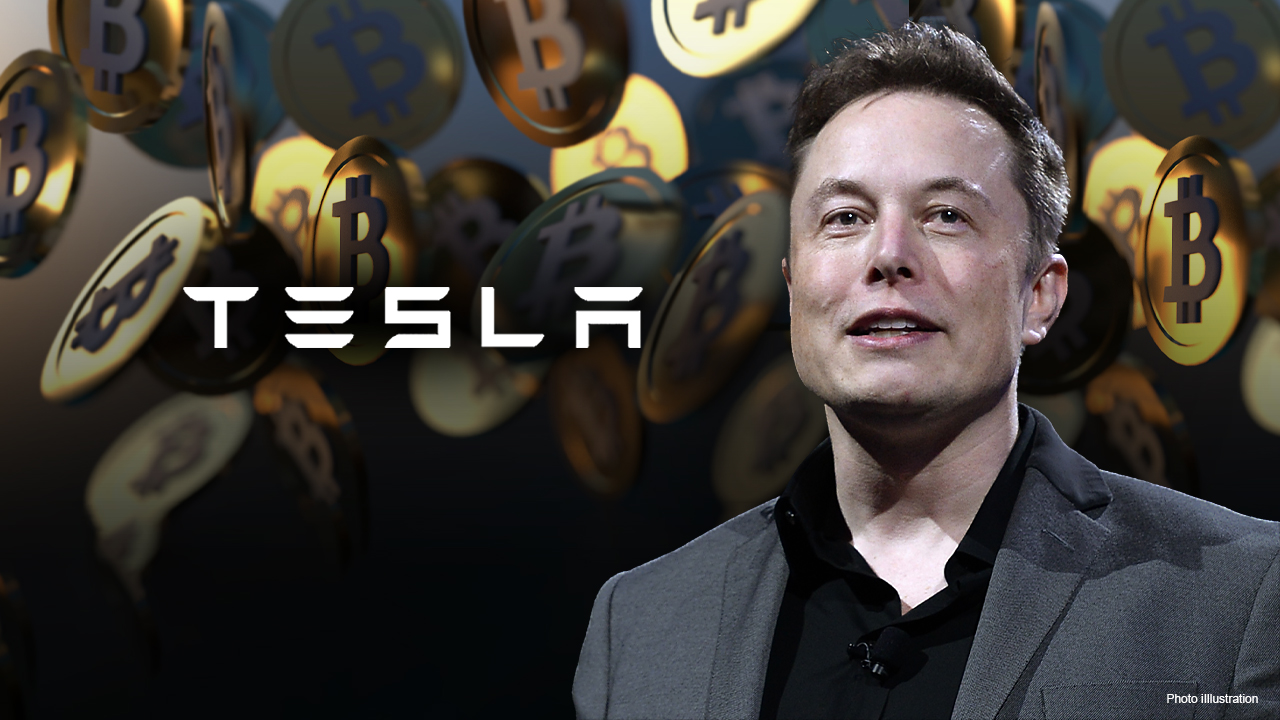
Musk’s influence on cryptocurrency markets
Musk’s Influence on Cryptocurrency Markets
Elon Musk is no stranger to shaking up financial markets with a single tweet. Whether it’s Bitcoin, Dogecoin, or even XRP, his words have the power to send prices soaring—or crashing. This influence stems from his status as a visionary entrepreneur, his leadership at Tesla and SpaceX, and his outspoken views on financial decentralization. But how exactly does Musk impact the cryptocurrency space, and what does it mean for investors?
His influence over digital assets can be attributed to several key factors:
- Massive Social Media Presence: With over 150 million followers on X (formerly Twitter), Musk’s tweets reach an enormous audience in real-time. A single post mentioning a cryptocurrency often leads to immediate market volatility, as traders react impulsively to his statements.
- Pro-Crypto Ideology: Musk has consistently advocated for decentralized finance, often criticizing traditional banking systems and regulatory bodies like the SEC. His support for digital assets aligns with his broader vision of financial freedom and innovation.
- Direct Corporate Involvement: Under Musk’s leadership, Tesla made headlines by purchasing .5 billion worth of Bitcoin in early 2021. This move not only validated Bitcoin as a legitimate store of value but also encouraged other institutions to explore crypto investments.
- Memecoin Mania: Musk’s most notorious crypto influence has been in the meme coin sector, particularly with Dogecoin. His playful endorsements and references to Dogecoin as “the people’s crypto” have led to dramatic price surges, reinforcing the idea that his words alone can dictate market movements.
Beyond his impact on Bitcoin and Dogecoin, Musk’s influence extends to the broader cryptocurrency ecosystem, including XRP. While he hasn’t explicitly endorsed XRP to the same extent as other digital assets, his outspoken stance on financial regulations and the role of the SEC has resonated with XRP supporters, particularly amid Ripple’s ongoing legal battle.
For XRP investors, Musk’s skepticism toward the SEC’s regulatory approach is particularly relevant. His frequent clashes with the regulatory body mirror Ripple’s own legal struggles, creating a shared sense of decentralized resistance. If Musk were to directly weigh in on XRP’s case, it could significantly impact investor sentiment and market dynamics.
However, Musk’s unpredictable nature also poses risks. His sudden reversals—such as Tesla’s decision to stop accepting Bitcoin payments due to environmental concerns—demonstrate that his influence can be both beneficial and disruptive. Crypto investors must remain cautious, recognizing that while Musk’s words can drive short-term gains, they can also lead to unexpected volatility.
Ultimately, Musk’s role in the cryptocurrency space is both strategic and chaotic. His influence is undeniable, but whether it brings long-term positive change or short-term market turbulence depends on how investors interpret and react to his actions. As the crypto industry continues to evolve, Musk will likely remain a central figure, shaping narratives and challenging traditional financial structures.
Clashes with the SEC over crypto regulation
Clashes with the SEC over Crypto Regulation
Elon Musk’s relationship with the U.S. Securities and Exchange Commission (SEC) has been anything but smooth. From legal battles over Tesla stock tweets to his outspoken criticism of regulatory overreach, Musk has positioned himself as a vocal opponent of the SEC’s approach to financial oversight. His defiance extends into the cryptocurrency sphere, where he has repeatedly challenged the SEC’s attempts to regulate digital assets, aligning himself—intentionally or not—with the broader crypto community’s fight against centralized control.
One of the most high-profile clashes between Musk and the SEC arose from his infamous 2018 tweet claiming he had secured funding to take Tesla private at 0 per share. The SEC swiftly accused him of securities fraud, leading to a settlement that required Musk to step down as Tesla’s chairman and have his tweets pre-approved by company lawyers. Despite this legal setback, Musk has continued to push back against the SEC’s authority, often mocking the agency on social media.
His disdain for regulatory interference extends to the crypto market, where he sees excessive oversight as a barrier to innovation. Musk has voiced concerns that the SEC’s stringent policies hinder the growth of digital currencies and decentralized finance (DeFi). In several instances, he has directly called out the agency for what he perceives as unfair enforcement actions, particularly in cases like the ongoing Ripple vs. SEC lawsuit.
The SEC’s crackdown on Ripple and its native cryptocurrency, XRP, has been a major point of contention in the crypto world. The lawsuit, filed in December 2020, alleges that Ripple conducted an unregistered securities offering by selling XRP. Ripple has countered by arguing that XRP should be classified as a commodity, like Bitcoin and Ethereum, rather than a security. The case has sparked widespread debate over the SEC’s inconsistent approach to crypto regulation, with many industry leaders—including Musk—questioning the agency’s motives.
Although Musk has not explicitly endorsed XRP in the same way he has championed Bitcoin and Dogecoin, his broader stance on financial regulation aligns with the arguments presented by Ripple. He has frequently criticized the SEC for stifling innovation and acting as a gatekeeper rather than a facilitator of economic progress. This perspective resonates with XRP supporters, who view the lawsuit as an unjust attack on one of the most promising digital assets in the crypto space.
Beyond the Ripple case, Musk has also taken issue with the SEC’s broader approach to cryptocurrency oversight. He has argued that regulatory agencies should focus on fostering transparency and fair competition rather than imposing restrictive policies that hinder technological advancement. His belief in financial decentralization is evident in his support for blockchain-based solutions that reduce reliance on traditional financial institutions.
For XRP investors, Musk’s opposition to excessive regulation provides a glimmer of hope. If influential figures like Musk continue to challenge the SEC’s authority, it could pressure regulators to adopt a more balanced approach to crypto policies. While the Ripple vs. SEC lawsuit remains a pivotal legal battle, the broader push for fairer regulations could shape the future of XRP and the crypto market as a whole.
However, Musk’s unpredictable nature means that his stance on regulation could shift at any moment. While he has been a vocal critic of the SEC, his business interests—particularly Tesla’s involvement in crypto payments—could lead him to adopt a more pragmatic approach in the future. This uncertainty adds another layer of complexity for XRP investors who are navigating the ongoing legal landscape.
Ultimately, Musk’s clashes with the SEC highlight a fundamental struggle between innovation and regulation. As the crypto industry continues to evolve, the outcome of these battles will play a crucial role in shaping the future of digital assets. Whether Musk remains a steadfast critic of the SEC or adapts his position over time, his influence in the crypto space is undeniable, and his actions will continue to be closely watched by investors and regulators alike.
Social media and market manipulation concerns
Social Media and Market Manipulation Concerns
Elon Musk’s social media activity has long been a double-edged sword in the financial and cryptocurrency markets. With his massive following on X (formerly Twitter), Musk wields an unprecedented level of influence, capable of sending asset prices soaring or plummeting with just a few words. While his engagement with the crypto community has brought mainstream attention to digital assets, it has also raised serious concerns about market manipulation and regulatory scrutiny.
The crypto market, known for its volatility, reacts swiftly to Musk’s tweets, often in an exaggerated manner. His casual remarks—whether in the form of memes, cryptic messages, or direct endorsements—have led to dramatic price movements in Bitcoin, Dogecoin, and even XRP. This phenomenon has sparked debates over whether Musk’s influence constitutes genuine market enthusiasm or a form of manipulation that benefits a select few at the expense of retail investors.
Several key concerns arise from Musk’s social media-driven impact on crypto markets:
- Unpredictable Price Swings: Musk’s tweets can trigger massive price fluctuations, often within minutes. For example, his endorsement of Dogecoin in early 2021 led to a meteoric rise in its value, only for it to crash after he jokingly referred to it as a “hustle” on Saturday Night Live. Similarly, when he expressed concerns about Bitcoin’s energy consumption, the market saw a sharp decline.
- Potential for Insider Advantage: While there is no concrete evidence that Musk engages in deliberate market manipulation, critics argue that his ability to move markets with a single tweet creates ethical concerns. If Musk or his companies were to buy or sell assets before making public statements, it could raise questions about fairness and transparency.
- Regulatory Scrutiny: The SEC has already taken action against Musk for his social media activity in the past, particularly regarding Tesla stock. Given his influence over crypto markets, regulatory bodies may seek to impose stricter rules on how high-profile figures engage with digital assets on social media. The question remains: should regulators intervene, or is Musk simply exercising his right to free speech?
- Impact on XRP and Ripple’s Legal Battle: While Musk has not explicitly championed XRP, his broader stance on financial regulations and decentralization aligns with Ripple’s fight against the SEC. If Musk were to weigh in on the XRP lawsuit, it could significantly sway public perception and investor sentiment. However, given his unpredictable nature, such involvement could either bolster XRP’s credibility or introduce further volatility.
Despite these concerns, Musk’s engagement with cryptocurrency has undeniably contributed to its mainstream adoption. His tweets have introduced millions of people to digital assets, sparking curiosity and investment in the space. However, this influence also serves as a reminder of the crypto market’s current vulnerability to external forces, highlighting the need for investors to remain cautious and conduct thorough research before making decisions based on social media hype.
For XRP investors, the role of influential figures like Musk presents both opportunities and risks. While his criticism of the SEC resonates with those who believe regulatory bodies are stifling innovation, his unpredictable statements could also lead to unintended consequences. The ongoing legal battle between Ripple and the SEC has already introduced significant uncertainty into XRP’s market standing, and any additional volatility from Musk’s social media activity could further complicate matters.
Ultimately, the intersection of social media, cryptocurrency, and regulation remains a complex and evolving landscape. While Musk’s influence is undeniable, the crypto community must consider how to balance decentralization, regulatory oversight, and market stability. Whether Musk continues to be a disruptive force or eventually tempers his engagement, his impact on the crypto world will remain a topic of debate for years to come.
The future of Musk’s crypto involvement
The Future of Musk’s Crypto Involvement
Elon Musk’s influence on the cryptocurrency market is undeniable, but what does the future hold for his involvement in digital assets? As regulatory scrutiny intensifies and crypto markets evolve, Musk’s role in shaping the industry could take several different paths. Whether he continues to be a vocal advocate for decentralized finance, shifts his focus to blockchain-based innovations, or even distances himself from the space altogether, his actions will undoubtedly have far-reaching implications for investors, particularly those following XRP’s ongoing legal battle.
One of the biggest factors influencing Musk’s future in crypto is the increasing regulatory pressure from agencies like the U.S. Securities and Exchange Commission (SEC). His past clashes with the SEC over Tesla-related matters have already demonstrated his disdain for regulatory oversight, and his criticism of the agency’s approach to cryptocurrency suggests he may continue to challenge financial authorities. However, as the SEC tightens its grip on digital assets, Musk may be forced to tread more carefully to avoid further legal entanglements.
Another key consideration is Musk’s business interests. Tesla’s involvement with Bitcoin, including its .5 billion investment and subsequent decision to halt BTC payments due to environmental concerns, shows that Musk’s corporate decisions can directly impact the crypto market. If Tesla reintroduces Bitcoin payments or expands its acceptance of other cryptocurrencies like Dogecoin or even XRP, it could signal a renewed commitment to the digital asset space. Conversely, if Musk decides that regulatory uncertainty makes crypto too risky for his companies, he may scale back his involvement.
For XRP investors, Musk’s stance on financial regulations remains particularly relevant. Though he has not explicitly supported XRP, his criticism of the SEC aligns with Ripple’s own legal arguments. If Musk were to publicly endorse XRP or take a stand against the SEC’s handling of the Ripple lawsuit, it could significantly boost confidence in the asset and potentially influence the case’s outcome. However, given his unpredictable nature, it’s equally possible that he remains neutral or shifts his focus entirely to other blockchain technologies.
Beyond traditional cryptocurrencies, Musk has also shown interest in blockchain applications beyond financial speculation. His fascination with artificial intelligence, decentralized computing, and futuristic technologies suggests he may explore new use cases for blockchain in industries such as supply chain management, smart contracts, or even space exploration. If Musk integrates blockchain into his ventures at Tesla, SpaceX, or Neuralink, it could drive mainstream adoption in ways that extend far beyond simple price movements.
While Musk’s future involvement in crypto remains uncertain, one thing is clear: his influence will not disappear overnight. Whether through direct investments, public statements, or technological innovations, he will continue to shape the industry’s trajectory. For investors, particularly those in the XRP community, staying informed about Musk’s evolving stance on regulation and decentralization will be crucial in navigating the ever-changing crypto landscape.